

Anchoring systems on boats are made up of several interconnected parts, each playing a specific role in ensuring safety, efficiency, and durability. While anchors and winches often receive the most attention, smaller structural components are just as important. One such element is the hawse pipe, a feature that quietly supports smooth anchor handling and protects the vessel over time. Understanding its function helps boat owners appreciate why thoughtful anchoring design matters.
Guiding The Anchor Line Safely
At its core, This component serves as a guided opening through which the anchor rope or chain passes between the deck and the water. Without a Proper guide, lines can scrape against sharp deck edges or rub unevenly as the anchor is deployed or retrieved. Over time, this friction causes unnecessary wear on both the rope and the boat’s structure.
By providing a smooth, rounded pathway, the hawse pipe allows the anchor line to move freely and consistently. This controlled movement supports efficient anchoring while reducing the chance of sudden snags or resistance.
Protecting The Boat’s Deck Structure
Boat decks are not designed to handle constant abrasion from moving chains or ropes. When anchoring systems lack proper line guidance, repeated contact can damage gelcoat, paint, or even underlying materials. These issues may start small but often grow into costly repairs if ignored.
A well-designed anchor opening prevents direct contact between the line and the deck surface. This protection preserves the appearance and integrity of the vessel while extending the lifespan of surrounding hardware.
Supporting Smooth Anchor Deployment
Efficient anchoring depends on smooth deployment. When lines feed unevenly, the anchor may drop unpredictably or fail to set properly on the seabed. This can lead to poor holding performance and repeated repositioning.
Proper line guidance ensures that the rope or chain flows naturally during deployment. The anchor reaches the bottom with consistent tension, improving its ability to set securely. This reliability is especially valuable in changing conditions such as wind shifts or tidal movement.

Enhancing Retrieval Efficiency
Retrieving an anchor should be controlled and steady. Without proper alignment, the line can twist, bind, or pull at awkward angles, increasing strain on the winch and mounting hardware. Over time, this uneven load affects mechanical performance.
A guided exit point keeps the line aligned with the winch system, supporting balanced retrieval. This reduces stress on equipment and helps maintain long-term reliability across the entire anchoring setup.
Improving Safety On The Bow
The bow area is often one of the most active parts of a boat during anchoring. Loose or poorly managed lines can create tripping hazards or sudden movements that put crew members at risk. A clean and controlled line path contributes to safer operation.
By directing the anchor line through a fixed opening, deck clutter is minimised. This organisation allows crew members to move confidently and focus on navigation rather than managing tangled equipment.
Built For Marine Environments
Components used in anchoring systems must withstand constant exposure to water, salt, and sunlight. Quality materials are essential for preventing corrosion and maintaining smooth performance. Durable construction ensures that the opening remains functional even after years of use.
Marine-grade designs resist wear and maintain their shape, ensuring consistent line movement without sharp edges or deformation. This durability supports long-term performance and reduces maintenance demands.
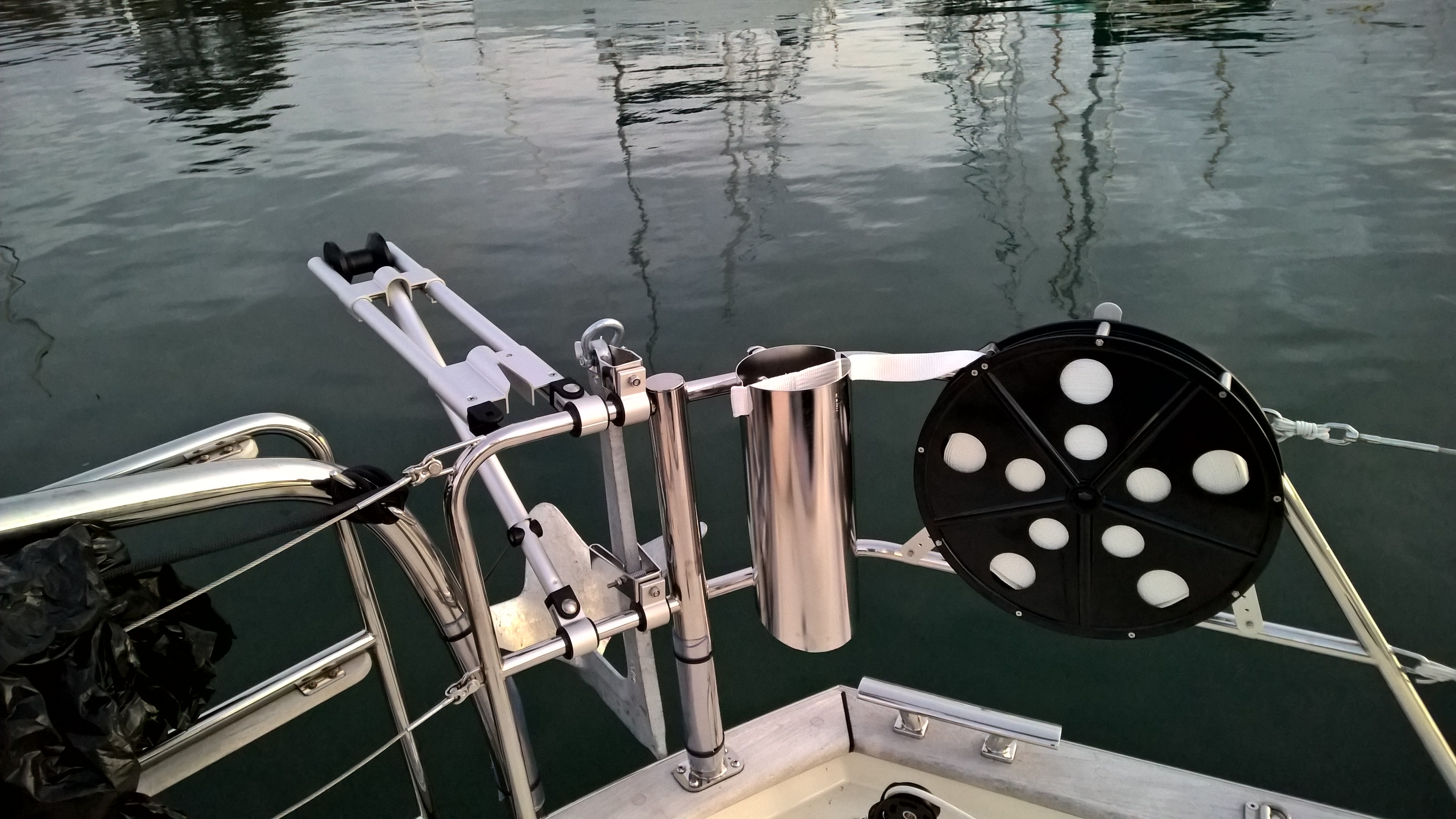
A Small Part With A Big Impact
Despite its apparent simplicity, this part is essential to the anchoring system as a whole. It supports smooth operation, protects the boat’s structure, and enhances safety during everyday use. Ensuring controlled movement of anchor lines contributes to reliable anchoring and reduced equipment wear.
For boat owners focused on long-term performance and vessel care, understanding the importance of this element highlights why thoughtful anchoring design matters. Even small details can make a meaningful difference in how smoothly and safely a boat operates over time. This subtle feature often goes unnoticed, yet it plays a steady role in keeping the entire anchoring process running smoothly and predictably.