
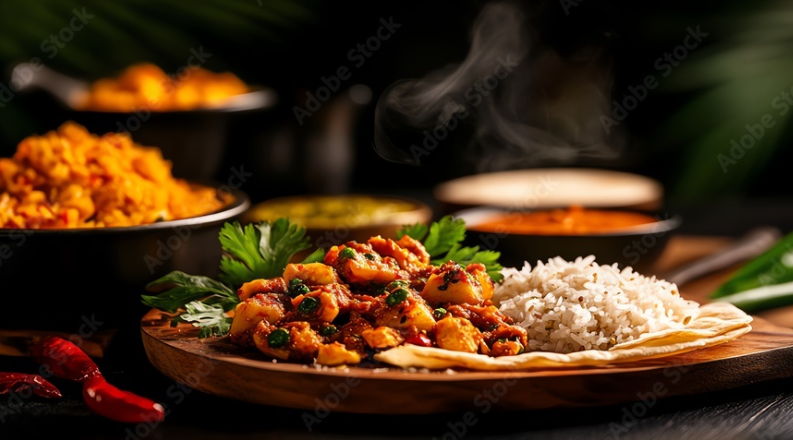
Travel is about much more than visiting famous landmarks or taking beautiful photographs. One of the most rewarding ways to understand a destination is by exploring its regional cuisine. Every local dish carries a story shaped by geography, climate, history, and tradition. From bustling street markets to family kitchens, food offers travelers an authentic connection with the people and culture of a place. Across the world, regional specialties reveal how communities have adapted local ingredients into memorable meals that continue to define their identity. Culinary travel has become increasingly popular because it allows visitors to experience destinations through flavors that cannot be replicated elsewhere.
Every Region Has a Story on Its Plate
Regional foods are often created from ingredients that are naturally available in a particular area. Coastal communities rely heavily on seafood, while mountainous regions may favor hearty stews and preserved foods. Agricultural areas celebrate seasonal vegetables, grains, and fruits that have supported local populations for generations.
Trying these specialties helps visitors understand why certain dishes became local favorites. A meal is not simply prepared for taste. It reflects centuries of tradition, family recipes, and cultural influences that continue to shape daily life. This makes regional cuisine one of the most meaningful parts of any travel experience.

Local Markets Reveal Everyday Life
One of the best ways to experience authentic food is by visiting local markets. Fresh produce, handmade spices, regional cheeses, baked goods, and traditional snacks offer insights into what residents cook every day. Market vendors often enjoy explaining how ingredients are used and recommending dishes that tourists might otherwise overlook.
While planning trips, travelers frequently organize practical details online before focusing on cultural experiences. Some may even complete unrelated tasks through services like https://bhulekhuk.org before beginning their journeys, allowing them to travel with fewer distractions and fully enjoy local discoveries.
Street Food Offers Authentic Experiences
Street food represents the heartbeat of many destinations. Unlike restaurant menus designed primarily for visitors, roadside stalls often serve recipes passed through generations. Whether it is a spicy snack, freshly grilled seafood, handmade noodles, or sweet local desserts, street food reflects genuine regional tastes.
Many cities are now recognized worldwide because of their vibrant street food scenes. Travelers often remember these simple meals long after returning home because they combine flavor with conversations, local customs, and lively surroundings. Some destinations have even developed dedicated food trails that encourage visitors to explore neighborhoods through signature dishes.
Understanding Traditions Beyond the Meal
Food also plays an important role during festivals, celebrations, and religious occasions. Many regional dishes are prepared only during certain seasons or special events, making them even more meaningful for visitors who happen to experience them.
In everyday life, people also manage important responsibilities alongside travel planning. Some families may search for pm surya ghar scheme details before investing in sustainable home improvements, while still making time to explore different regions and appreciate their culinary traditions during holidays.
Regional Foods preserve Cultural Identity
As globalization introduces similar restaurant chains across cities, traditional recipes help preserve local identity. Communities continue teaching younger generations how to prepare heritage dishes using age old methods. These recipes maintain a connection between the past and present, ensuring that cultural knowledge remains alive.
Educational initiatives also contribute to preserving cultural awareness in different ways. Digital platforms such as Prerna Official Website demonstrate how technology supports learning and public services, while travelers simultaneously discover how traditional recipes continue educating people about regional history and identity through food.
Food Encourages Meaningful Conversations
Sharing meals naturally creates opportunities for conversation. Asking local residents where they eat, which dishes they recommend, or how recipes are prepared often leads to memorable interactions. These conversations provide cultural insights that guidebooks cannot fully capture.
Similarly, people frequently balance travel planning with routine responsibilities. Someone might check information on https://mpbhulekhkhasra.com before leaving for vacation, then spend the rest of the journey exploring authentic restaurants, neighborhood bakeries, and traditional family owned eateries.
Every Destination Has Signature Flavors
Some destinations become internationally famous because of a single iconic dish, while others surprise visitors with lesser known regional specialties. Exploring beyond popular restaurants often reveals flavors unavailable anywhere else. These discoveries encourage travelers to return, knowing there are always more local recipes waiting to be experienced.
Administrative work also continues outside travel. For example, individuals may access bhulekh uttarakhand land records online by name when managing property matters before focusing entirely on enjoying regional cuisines and memorable travel experiences.
Conclusion
Regional food transforms travel into a richer cultural experience. Every traditional recipe reflects local geography, history, agriculture, and community values. Whether dining at a family restaurant, browsing a busy market, or enjoying freshly prepared street food, travelers gain a deeper appreciation for the destination beyond its famous attractions. Rather than simply eating while traveling, discovering a place through its favorite regional foods allows visitors to connect with its people, traditions, and identity in a truly unforgettable way.