

Travel has always been about more than visiting famous landmarks or taking photographs. Every destination carries traditions that have been carefully preserved for generations, and one of the most meaningful ways to experience those traditions is through food. timeless recipes tell stories of local communities, seasonal ingredients, cultural celebrations, and family values. Long after ancient buildings have weathered the passage of time, recipes continue to connect people with their heritage.
Historic destinations around the world proudly protect their culinary traditions because food reflects the identity of a place. Whether prepared in a family kitchen, a village bakery, or a centuries old restaurant, traditional dishes provide visitors with an authentic glimpse into local history that no museum display can fully recreate.
The Stories Hidden In Every Traditional Dish
many recipes have survived because families passed them from one generation to the next. Instead of relying on written instructions, grandparents often taught children by demonstrating techniques, explaining ingredients, and sharing the stories behind each meal. As these traditions continued, recipes became living records of a community’s history.
Some dishes originated during periods of hardship, while others were created to celebrate harvests, festivals, or important milestones. Today, travelers who appreciate local cuisine gain a much deeper understanding of a destination than those who only visit popular attractions.
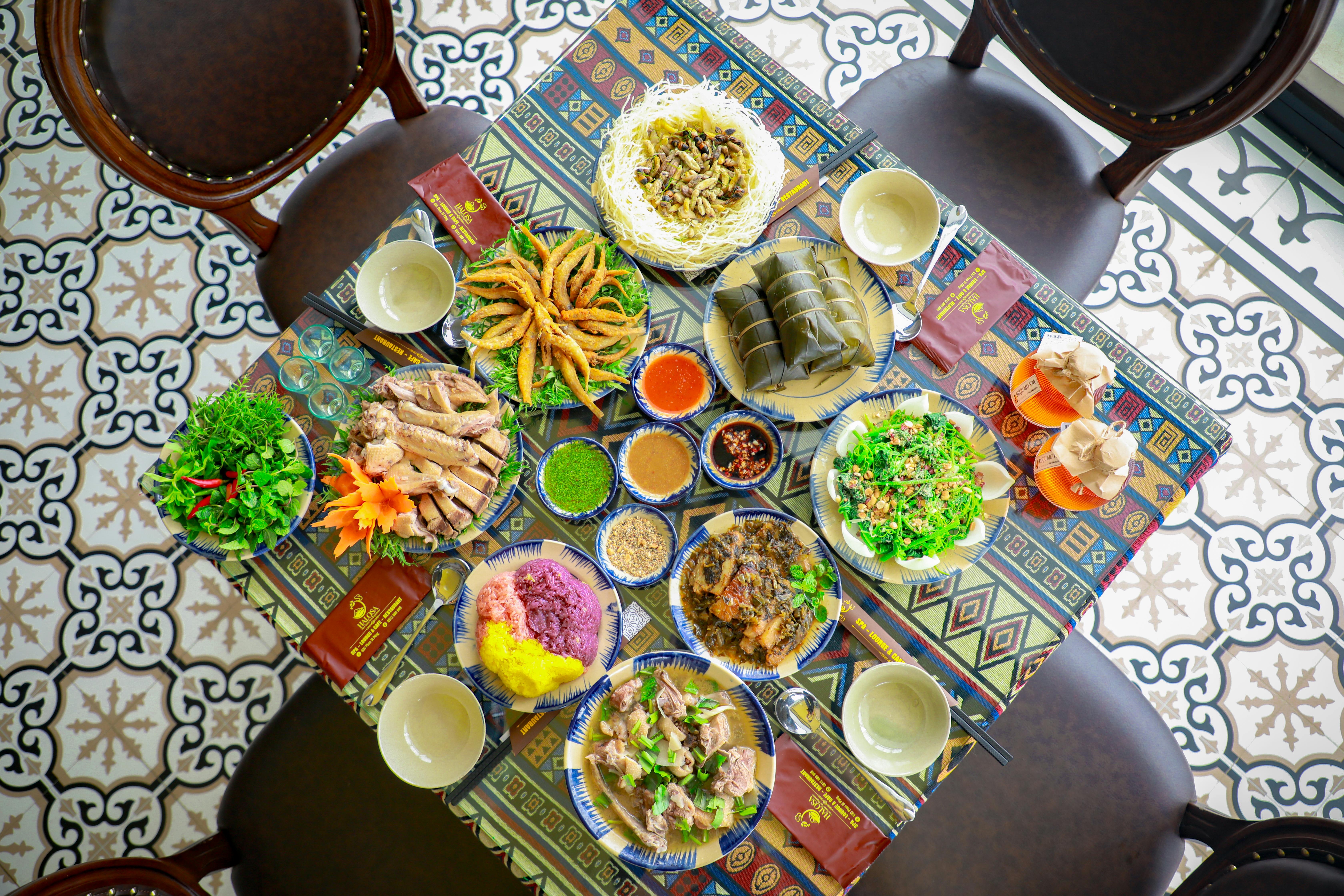
Local Ingredients Preserve Regional Identity
Historic recipes depend heavily on ingredients that naturally thrive in the surrounding environment. Coastal communities celebrate fresh seafood, mountain villages rely on hearty grains and herbs, while fertile valleys produce fruits and vegetables that have shaped local cooking for centuries.
Just as travelers often search online for practical information such as Visit Bhumi Jankari before exploring land related records, discovering authentic local ingredients helps visitors better understand how geography influences culinary traditions. Every ingredient reflects the climate, landscape, and agricultural practices that define a region.
Family Kitchens Protect Culinary Heritage
Restaurants certainly introduce visitors to regional specialties, but many of the most authentic recipes continue to survive inside family homes. Cooking together allows traditions to remain relevant while strengthening family bonds.
Young generations learn not only recipes but also the cultural values attached to preparing and sharing meals. This ongoing exchange ensures that historic flavors remain part of everyday life instead of becoming forgotten pieces of history.
In today’s digital world, people often read this article or similar resources before planning cultural trips, yet nothing compares to sitting around a family table and experiencing recipes that have remained unchanged for decades.
Historic Markets Continue Centuries Old Traditions
Traditional markets remain at the heart of many historic towns. Farmers, bakers, cheesemakers, spice merchants, and artisans gather to sell products prepared using methods that have been refined across generations.
These markets allow visitors to experience authentic flavors while supporting local producers who continue preserving culinary heritage. Walking through these vibrant spaces often reveals recipes that cannot be found in commercial restaurants or large supermarket chains.
Modern travelers frequently balance cultural exploration with everyday responsibilities, searching topics like hkrn vacancy 2025 apply online before returning to enjoy meaningful travel experiences. Historic markets remind visitors that preserving tradition requires active participation from both local communities and curious travelers.
Festivals Celebrate Recipes That Unite Communities
Food festivals play a vital role in protecting culinary heritage. Communities gather to prepare traditional meals using historic techniques while celebrating local customs, music, and craftsmanship.
These events encourage younger generations to appreciate recipes that might otherwise disappear. Visitors also gain opportunities to learn directly from experienced cooks who proudly explain the cultural significance of every dish.
Rather than simply tasting food, travelers become participants in traditions that have connected families and neighborhoods for hundreds of years.

Modern Technology Supports Cultural Preservation
Technology has transformed the way people research destinations, but it has also become an important tool for preserving culinary traditions. Digital archives, cooking videos, online museums, and historical collections ensure that recipes remain accessible to future generations.
People routinely use resources such as www.kaverionline.info for specific administrative purposes, demonstrating how online platforms have become trusted sources of information. Similarly, digital preservation projects now help safeguard historic recipes by documenting preparation methods, local ingredients, and cultural stories before they disappear.
Technology cannot replace firsthand experiences, but it makes cultural knowledge available to a much wider audience.
Protecting Culinary Heritage For Future Generations
Preserving traditional recipes requires commitment from families, educators, chefs, historians, and travelers alike. Supporting local businesses, attending cultural festivals, purchasing regional products, and learning traditional cooking methods all contribute to keeping these valuable traditions alive.
Communities that value their culinary heritage strengthen cultural identity while creating meaningful experiences for visitors. Even modern development can successfully coexist with historic traditions when preservation remains a priority.
Similarly, people exploring opportunities connected with cmyuvaudyamiyojana often recognize the importance of supporting local entrepreneurship, which can also include family owned food businesses dedicated to preserving regional recipes and traditional cooking techniques.
Conclusion
Historic destinations offer much more than remarkable architecture and famous landmarks. Their greatest treasures are often found around dining tables where timeless recipes continue bringing families and communities together. Every traditional meal reflects generations of knowledge, resilience, creativity, and cultural pride. As travelers increasingly seek authentic experiences, preserving these recipes becomes even more important. By supporting local food traditions, respecting regional ingredients, and learning the stories behind every dish, visitors help ensure that the spirit of historic destinations continues to thrive for generations to come. Timeless recipes are more than meals. They are living pieces of history that connect the past with the present while inspiring future generations to value the cultures that shaped them.