
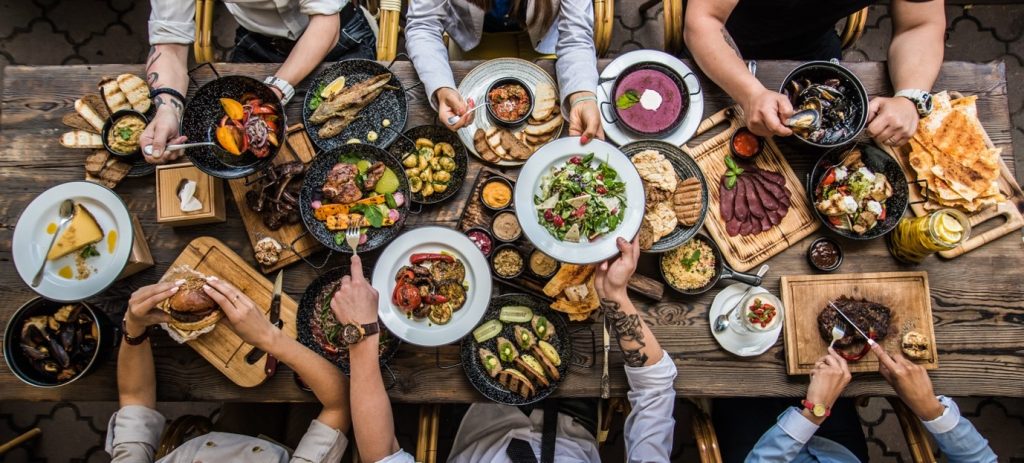
Food has always been more than nourishment. It carries history, identity, and emotion across generations and continents. In every culture, meals are shared during celebrations, gatherings, and everyday life, creating bonds that transcend language barriers. While global conversations often focus on economics and metrics like global net worth, the true wealth of humanity can often be found at the dining table where stories, traditions, and flavors are exchanged.
Food As A Universal Language
Regardless of nationality or background, everyone understands the joy of a good meal. A shared plate can spark conversations even when words fail. Travelers often find that trying local cuisine opens doors to authentic connections with residents.
Traditional dishes reflect the geography and history of a place. Spices, cooking methods, and ingredients tell stories of trade routes, migration, and cultural exchange. Food becomes a bridge, connecting strangers through taste and hospitality.
Even in multicultural cities, restaurants serve as cultural ambassadors, offering experiences that transport diners across borders without requiring a passport.
Migration And Culinary Exchange
Migration has played a powerful role in shaping global cuisine. As communities move, they bring their recipes, ingredients, and culinary techniques with them. Over time, these dishes blend with local flavors, creating exciting fusions that reflect shared histories.
Italian pasta evolves in South America. Asian spices influence Western kitchens. Middle Eastern flavors appear in European street food. These culinary adaptations highlight how interconnected societies have become.
Economic discussions sometimes measure progress through global net worth, but cultural richness is equally reflected in the diversity of food available in neighborhoods worldwide.

Food Festivals And Cultural Celebrations
Food festivals are powerful examples of unity through cuisine. Events dedicated to street food, wine, seafood, or traditional cooking draw crowds from diverse backgrounds. Visitors gather not only to eat but to celebrate cultural heritage.
These festivals encourage understanding and appreciation of different traditions. Cooking demonstrations, tasting sessions, and community meals create shared experiences that foster connection.
In many cases, such events also support local economies and small vendors, often highlighted in business discussions like shopping businessnewstips, where culinary entrepreneurship and market growth intersect.
The Role Of Restaurants In Cultural Diplomacy
Restaurants act as informal spaces of diplomacy. A family owned eatery serving traditional dishes introduces new audiences to unfamiliar flavors and customs.
Chefs become storytellers, explaining the origins of ingredients and preparation methods. Dining becomes educational as well as enjoyable.
Through food, cultural misunderstandings can be reduced. Sharing a meal encourages empathy and curiosity, helping people see beyond stereotypes and embrace diversity.
Digital entertainment platforms such as pinsyflix often showcase travel and food documentaries that highlight how cuisine connects communities around the globe.
Social Media And Global Food Trends
In the digital age, food trends spread quickly across borders. A viral recipe in one country can inspire home cooks thousands of miles away within days. Social media allows individuals to share traditional recipes and cooking techniques with global audiences.
Features like snap planet reflect how digital culture fosters global interaction. Similarly, food content online encourages cultural exchange, inspiring people to explore flavors from different parts of the world.
While trends may change rapidly, the desire to connect through food remains constant.
Home Cooking And Cross Cultural Exchange
Food exchange does not only happen in restaurants or festivals. Home kitchens play a vital role in building cross cultural relationships. Inviting friends or neighbors to share a traditional meal creates meaningful bonds.
Cooking classes, recipe swaps, and potluck dinners introduce people to new tastes and traditions in an intimate setting. These shared experiences build trust and mutual respect.
By exploring other cuisines, individuals gain insight into different ways of life, strengthening global understanding one dish at a time.
Conclusion
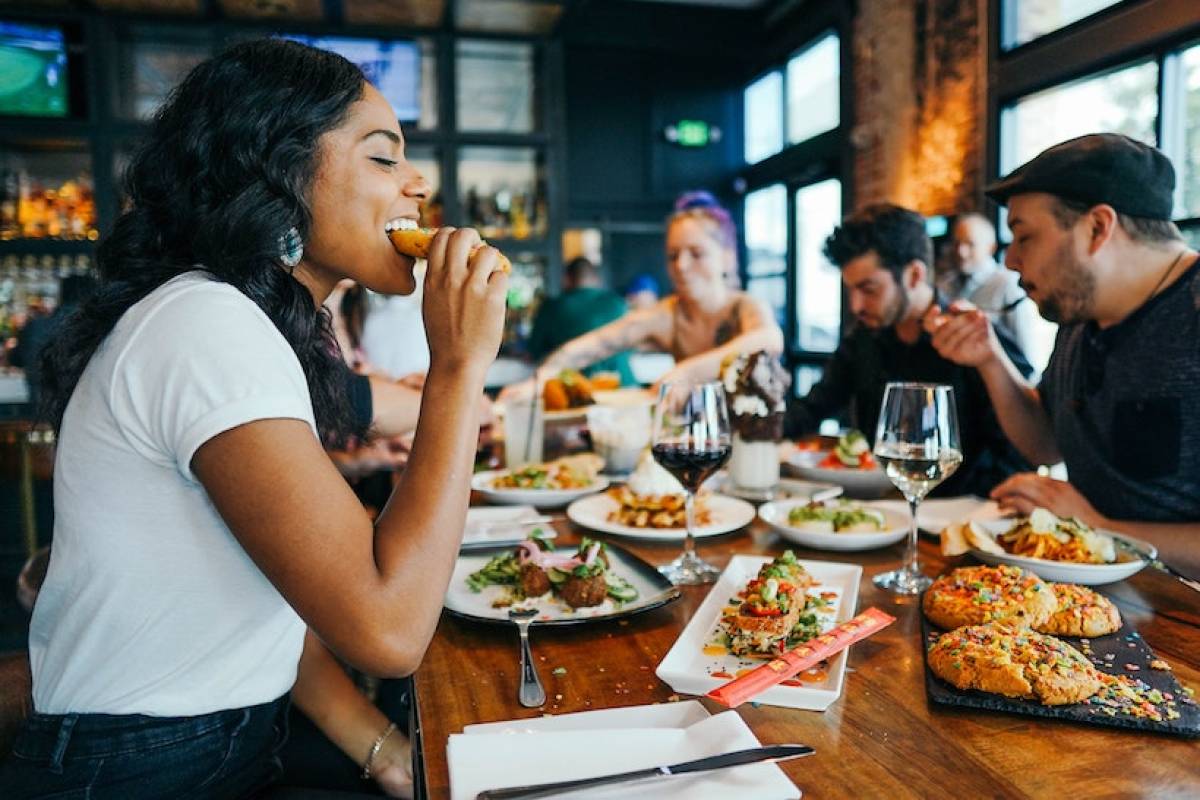
Food has a unique ability to unite people across borders. Through shared meals, festivals, restaurants, and digital platforms, cuisine fosters understanding and connection in a diverse world. While global conversations often focus on economic measures and statistics, the most meaningful exchanges happen over plates of food shared among friends and strangers alike. In every bite lies a story, and in every shared table lies the potential for unity.