
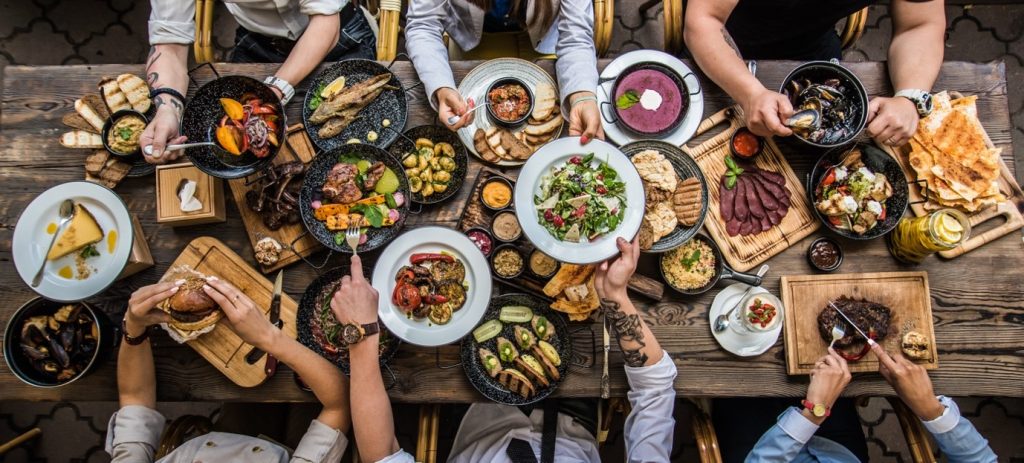
Food is much more than nourishment. It carries stories, emotions, and traditions that connect individuals to their past and to each other. A single dish can remind someone of childhood, family gatherings, or a specific moment in time. Even browsing through visual platforms like photosvibes.com can trigger memories tied to meals and experiences. The relationship between food, memory, and culture is deeply rooted in how humans experience and interpret the world around them.
Food As A Trigger For Memories
One of the most fascinating aspects of food is its ability to unlock memories. The taste, smell, or even the appearance of a dish can transport a person back to a specific moment in their life.
This happens because sensory experiences are closely linked to memory in the brain. A familiar flavor can instantly bring back emotions associated with past experiences. Whether it is a homemade meal or a traditional recipe, food acts as a bridge between the present and the past.
These memories are not always grand or dramatic. Often, they are simple moments like sitting at the dinner table or sharing a snack with friends. Yet, they leave a lasting impression that shapes how individuals relate to food throughout their lives.
Cultural Identity Through Food
Food is a powerful expression of culture. Every region has its own unique flavors, cooking methods, and traditions that reflect its history and values.
Cultural dishes often tell stories about a community’s way of life. Ingredients used in traditional meals are usually influenced by geography, climate, and available resources. Over time, these dishes become symbols of identity and heritage.
For example, exploring opportunities like pedrovazpaulo crypto investment may reflect modern financial trends, but traditional food continues to ground people in their cultural roots. This contrast highlights how food remains a constant connection to identity even in a rapidly changing world.

The Role Of Tradition And Family
Family plays a crucial role in preserving food traditions. Recipes are often passed down through generations, carrying with them the history and values of a culture.
Cooking together and sharing meals strengthen family bonds. These experiences create memories that are deeply personal and meaningful. The act of preparing food becomes a way of honoring traditions and maintaining a sense of continuity.
In many cultures, meals are more than just eating occasions. They are opportunities for connection, storytelling, and celebration. These shared experiences reinforce cultural values and create lasting memories.
Food And Social Connections
Food also serves as a social connector. It brings people together and fosters a sense of community. Whether it is a festival, a family gathering, or a casual meal with friends, food plays a central role in social interactions.
Shared meals create opportunities for conversation and bonding. They allow individuals to connect on a deeper level and build relationships. Food often becomes a common ground where differences are set aside, and people come together to enjoy a shared experience.
Even in modern systems like iay/pmayg beneficiary programs, the focus on improving living conditions indirectly supports better access to food and shared experiences, strengthening community ties.
Learning And Cultural Exchange Through Food
Food is also a gateway to learning about other cultures. Trying new cuisines allows individuals to explore different traditions and perspectives.
For instance, learning something foundational like hindi barakhadi english may seem unrelated to food, but language and cuisine often go hand in hand. Understanding a culture’s language can enhance the experience of its food, making it more meaningful and immersive.
Cultural exchange through food promotes understanding and appreciation. It encourages people to step outside their comfort zones and embrace diversity.
The Influence Of Modern Technology
Technology has transformed how people experience food and culture. Social media platforms, online recipes, and food delivery services have made it easier to explore different cuisines.
However, this convenience also changes how memories are formed. Instead of traditional cooking experiences, people may rely more on digital interactions. Questions like what is snaptroid reflect the growing curiosity about digital tools and platforms.
While technology offers new opportunities, it is important to balance it with traditional practices. Cooking at home and sharing meals with loved ones still provide unique and irreplaceable experiences.
Preserving Cultural Heritage Through Food
As the world becomes more globalized, preserving cultural food traditions becomes increasingly important. Many traditional recipes are at risk of being forgotten as modern lifestyles evolve.
Efforts to document and share these recipes help keep cultural heritage alive. Food festivals, cooking classes, and cultural events play a significant role in preserving these traditions.
By valuing and maintaining traditional food practices, individuals can ensure that future generations continue to experience the connection between food, memory, and culture.

Conclusion
The relationship between food, memory, and culture is deeply intertwined. Food serves as a powerful link to the past, a reflection of cultural identity, and a means of social connection. Through shared meals and traditional recipes, individuals create memories that last a lifetime. These experiences shape how people understand themselves and their place in the world. In a rapidly changing society, food remains a constant source of comfort and connection. By appreciating its role in our lives, we can preserve the rich traditions and meaningful memories that define our cultures.