
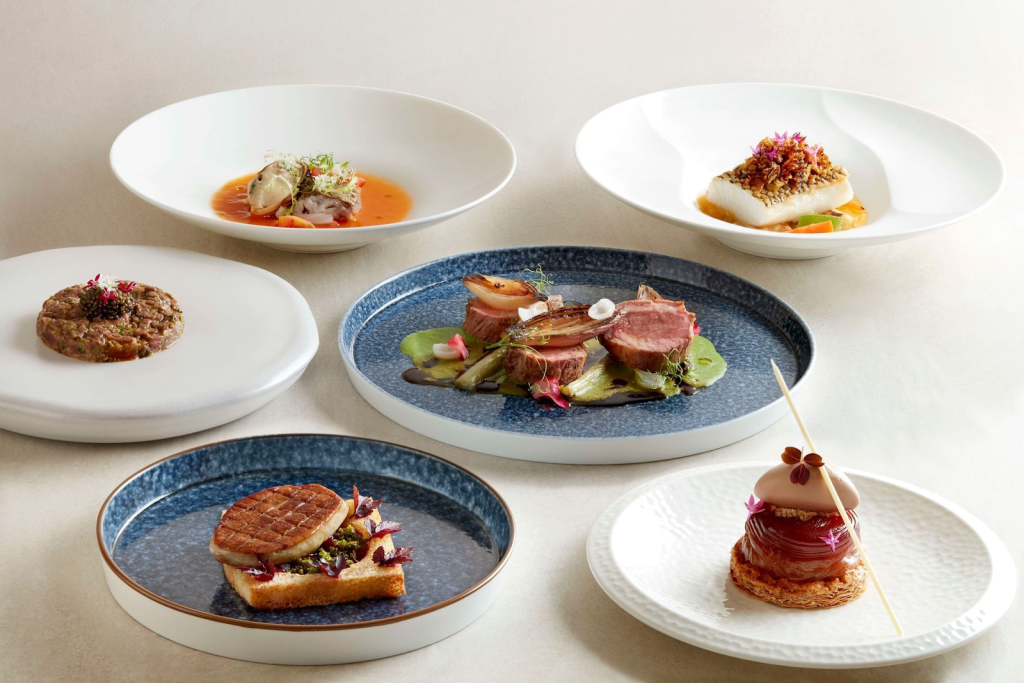
In today’s world, dining is often associated with luxury, presentation, and exclusivity. However, the true essence of food goes far beyond expensive restaurants and elaborate menus. It lies in the experiences, emotions, and connections that meals create. Even everyday habits, like browsing platforms such as sewayojanportal.org, remind us that routine moments can carry deeper meaning. Similarly, food experiences often leave a stronger impact than fancy dining because they connect us to people, memories, and culture.
The Emotional Connection To Food
Food is deeply tied to emotions. A simple meal can evoke memories of childhood, family gatherings, or special moments in life.
Unlike fancy dining, which focuses on presentation and status, meaningful food experiences are about how a meal makes you feel. The warmth of a home cooked dish or the joy of sharing food with loved ones often creates lasting memories.
These emotional connections make food more than just sustenance. They turn meals into experiences that stay with us long after the moment has passed.
Simplicity Over Luxury
Luxury dining often emphasizes complexity, rare ingredients, and intricate presentation. While these elements can be impressive, they do not always guarantee satisfaction.
Sometimes, the simplest meals bring the greatest joy. Just like appreciating creativity in something like simple royal mehndi design, simplicity in food can be elegant and meaningful.
A well cooked, simple dish can offer comfort and authenticity that no extravagant meal can replace. It is the honesty and familiarity of the experience that makes it special.
The Role Of Shared Experiences
Food has a unique ability to bring people together. Shared meals create opportunities for conversation, bonding, and connection.
Whether it is a family dinner, a street food outing, or a casual gathering with friends, the experience of eating together strengthens relationships.
These shared moments are often more valuable than the exclusivity of fine dining. The laughter, stories, and connections formed around food are what truly matter.
Exploration And Discovery
Food experiences often involve exploration and discovery. Trying new dishes, visiting local eateries, or tasting street food introduces individuals to different cultures and flavors.
This sense of discovery adds excitement to the dining experience. It transforms eating into an adventure rather than a routine activity.
Engaging in such experiences can feel like playing a perfect circle game, where the process itself is enjoyable, and perfection is not the goal.
Exploration encourages curiosity and appreciation for diverse culinary traditions.

Authenticity In Food
Authenticity is a key factor that distinguishes meaningful food experiences from fancy dining. Authentic meals reflect the culture, history, and traditions of a place.
Local dishes prepared with traditional methods often carry a sense of identity and heritage. These meals provide insight into the lives and values of the people who create them.
In contrast, fancy dining may prioritize innovation and presentation over authenticity, sometimes losing the essence of the original dish.
The Influence Of Environment
The environment in which food is enjoyed plays a significant role in shaping the experience. A meal eaten in a comfortable and familiar setting often feels more satisfying than one in a formal and unfamiliar environment.
For example, casual spaces or platforms like anfieldedition may highlight how everyday settings can feel engaging and enjoyable. Similarly, the atmosphere of a meal contributes to its overall impact.
A relaxed environment allows individuals to focus on the experience rather than the formality, making the meal more enjoyable.
Learning Through Food Experiences
Food experiences also provide opportunities for learning. They introduce individuals to new ingredients, cooking techniques, and cultural practices.
Communities like Sfm compile club demonstrate how shared learning environments can enhance understanding. In a similar way, food experiences encourage learning through interaction and exploration.
This knowledge adds depth to the dining experience, making it more meaningful and enriching.
The Value Of Presence
One of the most important aspects of meaningful food experiences is being present in the moment. Fancy dining often involves distractions such as capturing photos or focusing on presentation.
In contrast, simple food experiences encourage mindfulness. They allow individuals to fully engage with the flavors, textures, and company around them.
Being present enhances the enjoyment of food and creates a deeper connection to the experience.

Redefining What Matters In Dining
The growing appreciation for food experiences reflects a shift in priorities. People are beginning to value authenticity, connection, and enjoyment over status and luxury.
This shift highlights the importance of focusing on what truly matters. Food is not just about what is on the plate but about the experience surrounding it.
By redefining dining in this way, individuals can find greater satisfaction and meaning in their meals.
Conclusion
Food experiences matter more than fancy dining because they connect us to emotions, people, and culture. While luxury meals may offer visual appeal, they often lack the depth and authenticity of simpler experiences. By embracing the joy of shared meals, exploration, and presence, individuals can create meaningful memories that last a lifetime. In the end, the value of food lies not in its price or presentation but in the experiences it creates and the connections it fosters.